

How to make money selling crochet bags: complete beginner’s guide
If you enjoy knitting and have ever thought, “Could I make money selling crochet bags?”, the answer is yes: you can turn your skill into a small source of income, a creative project, or even your own brand. But for it to work, it is not enough to make beautiful bags. You also need to choose the right designs, calculate prices, manage your time, use suitable materials, and know where to sell.
Crochet bags, also known as hand-crocheted bags or handmade knitted bags, are experiencing a particularly interesting moment. More and more people are looking for distinctive, textured, handmade accessories with a more special style than a conventional bag. This creates an opportunity for those who want to start a crochet business or begin selling their own creations.
In this guide, we will look at how you can start making money selling crochet bags, which types of bags tend to perform best, how to calculate the price, where to sell them, and which mistakes to avoid if you want your project to be profitable from the start.
Do you want to get started without designing everything from scratch?
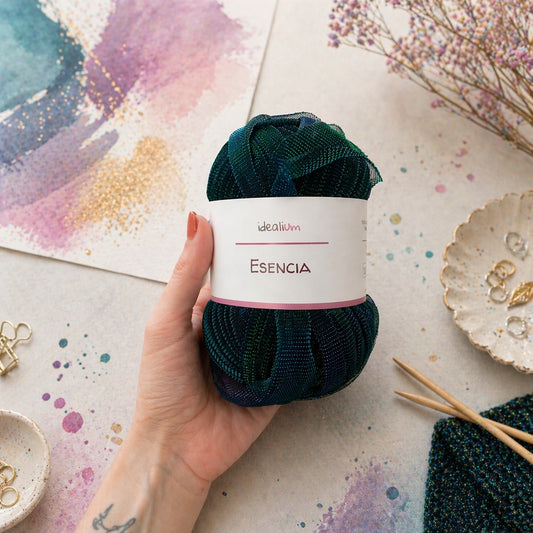
At Idealium, you will find materials, accessories, and kits designed to create crochet bags with a polished, modern finish that is easy to sell.
Table of contents
- Can you make money selling crochet bags?
- Why crochet bags are a good idea to sell
- What crochet bags can you sell?
- Most profitable crochet bag styles to start with
- What materials do you need to make crochet bags to sell?
- How to calculate the price of a crochet bag
- Where to sell crochet bags
- How to differentiate your crochet bags
- How to take photos that help you sell
- Common mistakes when selling crochet bags
- Step-by-step plan to get started
- Frequently asked questions
Can you make money selling crochet bags?
Yes, you can make money selling crochet bags, but it is important to approach it as a small business, not just a hobby. The difference lies in considering each bag from three perspectives: design, cost, and sales.
A bag can be beautiful, but if it takes you too many hours to make, the materials are expensive, or the finish does not look professional, it will be difficult to sell it at a profit. On the other hand, if you choose attractive designs, suitable materials, and models that you can reproduce relatively efficiently, your chances of profitability increase considerably.
To start selling handmade bags, you do not need a large investment. You can start with a few designs, see which ones are most popular, and then expand. It is best to create a small, clear, cohesive collection rather than trying to sell many different designs from day one.
The key: don't just sell “a bag,” but a proposition
When someone buys a crochet bag, they are not just buying an accessory. They are buying style, texture, design, something made with care, and a piece that does not look mass-produced. That is why, to sell more effectively, you need to communicate the product's value:
- It is handmade.
- It has a distinctive texture.
- It can be an original gift.
- It is different from typical bags.
- It can be adapted to different styles: summer, events, everyday wear, beach, urban looks, or gifts.
This approach is very important if you want to make money with crochet, because it helps you avoid direct comparison with inexpensive bags from large chains.
Why crochet bags are a good idea to sell
Within the world of crochet, bags have several advantages over other woven products. They are visible, practical, photogenic, and perceived as fashion accessories. They also allow you to work with more structured materials such as t-shirt yarn, crochet cord, raffia, or thick yarns, which help you achieve eye-catching results in less time than with other smaller or more delicate projects.
1. They have high perceived value
A woven bag can have a higher perceived value than other small accessories, such as keyrings, purses, or coasters. This is important because, to sell profitably, you need products that customers can recognize as special.
A well-photographed bag with a beautiful chain, a carefully chosen closure, lining, or a rigid base can look like a much more professional product. This makes it easier to justify the price and convey a stronger brand image.

2. They are ideal for gifting
Crochet bags can work very well as creative gifts, gifts for women, birthday gifts, Mother’s Day gifts, Christmas gifts, or special presents. If you also present the bag carefully, with attractive packaging, a card, or wrapping, the product becomes even more appealing.
You can also sell them as finished products or as a kit for making a crochet bag, especially for people who enjoy creating their own accessories.
3. They fit with handmade fashion and textured accessories
Woven accessories have something that sets them apart: texture, volume, and a handcrafted finish that is visually noticeable. In a market full of similar products, crochet bags stand out because they have personality.
This makes them an interesting option for selling on social media, marketplaces, gift shops, craft fairs, local fashion stores, or even as personalized products.
4. They allow you to create small collections
You don’t need to start with twenty models. In fact, the ideal approach is the opposite: start with a few well-thought-out designs.
For example:
- A small clutch-style bag.
- A shoulder bag for everyday use.
- A tote or shopper bag for summer.
- A party bag with sparkle or a metal chain.
- A sack-style or bucket bag.
With a small collection, you can test colors, prices, and audience response without accumulating too much stock.

What crochet bags can you sell?
One of the first decisions when getting started is choosing what type of bag you're going to make. Not all styles take the same amount of time to produce, cost the same, or have the same sales potential. To start, it's best to choose bags that are attractive, relatively quick to make, and easy to reproduce.
Small crochet bag
The small crochet bag is a good option for getting started because it requires less material and is usually quicker to make. It can be sold as a party bag, handbag, clutch, or event bag.
It works especially well if you add details that elevate the finish, such as a metal chain, magnetic closure, flap, lining, or a discreet charm.

Crochet shoulder bag
The crochet shoulder bag is one of the most commercially successful styles because it's practical for everyday use. It can have a short handle, chain, adjustable strap, or crocheted handle.
It's an easy type of bag to market because customers quickly understand how to use it: going out for a drink, shopping, carrying the essentials, completing an outfit, or using it as a summer bag.
Crochet tote bag
The crochet tote bag or knitted shopper bag is usually well received in spring and summer. It's ideal for the beach, holidays, the market, getaways, or relaxed looks.
This type of bag can be larger and require more time, so you need to calculate the price carefully. If you sell it too cheaply, it may seem attractive to the customer but not very profitable for you.
Crocheted raffia bag
The crocheted raffia bag has a very summery, natural, fresh style. It's a perfect option to sell during the spring-summer season, especially if you want to create beach bags, market bags, baskets, or shopper bags.
Raffia has strong visual appeal, but it's best to work with designs that don't depend on absolute perfection, as its texture can create a more organic, irregular finish. That naturalness can become part of the product's charm.

Crocheted T-shirt yarn bag
The crocheted T-shirt yarn bag usually has a more defined structure and a substantial finish. It's ideal for handbags, shoulder bags, baskets, small market bags, or voluminous designs.
T-shirt yarn allows you to work quickly and create substantial pieces, although you need to consider the bag's final weight. If you're selling it, the bag should be attractive but also comfortable.
Crochet cord bag
The crochet cord is one of the most interesting options when you're looking for a more defined, professional finish. It's perfect for structured bags, handles, details, edging, and accessories that need body.
If you want to sell bags with a more polished look, cord can help you achieve a clean, durable texture with good structure.
Most profitable crochet bag styles to start with
When the goal is to sell, not all designs are equally advisable. A profitable style should meet three conditions:
- Be visually appealing.
- Not require too many hours of work.
- Be easy to reproduce in different colors.
Here are some crochet bag styles that could work well to get started:
1. Clutch or handbag
The woven clutch is small, elegant, and easy to present as a bag for events, dinners, casual weddings, or special outfits. It may sell better when made in neutral colors, black, gold, metallic shades, or seasonal tones.
Main advantage: it requires less material than a large bag.
Main risk: it needs a very polished finish to be perceived as a fashion product, not just a craft item.

2. Crossbody bag
The crossbody bag is highly marketable because it is practical. Adding a chain or strap makes the bag feel more complete. It also allows you to experiment with closures, flaps, and metal details.
It is a good option for creating a core collection in several colors: black, ecru, beige, brown, dusty pink, burgundy, or navy blue.
3. Bucket bag
The bucket bag has a contemporary feel and works very well with crochet. It can be closed with a drawstring, a gathered opening, or an inner closure. It is an interesting style because it stands out from flat bags and allows for a more distinctive silhouette.
To sell it more effectively, pay close attention to the proportions: it should not be too large, too heavy, or shapeless.

4. Summer crochet tote
A crochet tote can work very well in summer, especially in raffia, cotton, lightweight T-shirt yarn, or natural-looking materials. It is perfect to market as a beach bag, vacation bag, shopper bag, or handmade summer bag.
As it is larger, it is best suited to a higher price range or made to order.
5. Party bag or statement bag
If you want to stand out, you can create crochet bags with more distinctive finishes: shimmer, gold chains, metal handles, charms, an eye-catching clasp, or evening colors.
This type of product can command a higher price, but it requires a very polished presentation. Customers should perceive it as a special accessory, not as a basic bag.
What materials do you need to make crochet bags to sell?
The choice of material directly affects the result, price, and customer experience. If you want to sell crochet bags, don’t choose the material just because it looks attractive. Also consider its structure, durability, weight, texture, and final finish.
Main material
For crochet bags, you can work with different materials:
- T-shirt yarn: ideal for bags with structure, baskets, and quick designs.
- Crochet cord: perfect for structured bags, handles, and defined finishes.
- Raffia: especially suitable for summer bags, market totes, and natural-style accessories.
- Thick cotton: useful for softer or casual-style bags.
- Metallic or novelty yarns: interesting for party bags or special editions.
Accessories that elevate the finish
A crocheted bag can change dramatically depending on the accessories you use. When selling, the details matter:
- Metal chains.
- Top handles.
- Magnetic closures.
- Clip closures.
- Inner lining.
- Rigid or perforated bases.
- Rings, lobster clasps, and buckles.
- Decorative charms.
These elements help the bag look more finished, more functional, and easier to use. They also better justify the final price.
Basic tools
In addition to the main material, you’ll need:
- A crochet hook suitable for the thickness of the material.
- Scissors.
- Yarn needle or finishing needle.
- Stitch markers.
- Measuring tape.
- Optionally, a needle and thread for sewing linings or accessories.
Idealium tip
If you’re going to sell crocheted bags, try to work with materials that you can easily restock. This will allow you to repeat your best-selling designs and maintain a cohesive collection without relying on leftovers or hard-to-find colors.
How to calculate the price of a crochet bag
One of the most searched questions is how much to charge for a crochet bag. And that’s understandable: pricing a handmade product can be difficult, especially when you’re just starting out.
The most common mistake is charging only for the materials and forgetting the labor time. But if you want to make money, you need to include all costs.
Basic pricing formula
A simple way to start is:
Selling price = materials + accessories + packaging + labor hours + profit margin
Let’s look at each part.
1. Material cost
Include everything you use to make the bag:
- Yarn, T-shirt yarn, cord, or raffia.
- Closures.
- Chain or strap.
- Lining.
- Rigid base.
- Rings, lobster clasps, or metal details.
Don’t estimate “by eye.” Note how much material you use for each model. This way, you’ll know which bags are actually profitable.
2. Packaging cost
If you sell online or want the bag to feel like a gift, packaging counts too:
- Box or envelope.
- Tissue paper.
- Thank-you card.
- Branded tag.
- Protective bag.
Even if it seems like a small amount, if you don’t include it in the price, it reduces your margin.
3. Labor time
This is the most important point. If it takes you 4 hours to make a bag and you don’t value those hours, you aren’t selling for a real profit.
You can start by setting a reasonable hourly rate and adjust it according to the type of product, your experience, quality, and brand positioning.
For example, if you decide to value your time at €10/hour and take 3 hours, the labor alone would already be €30. You must then add materials, accessories, packaging, and margin.
4. Profit margin
Margin is not the same as being paid for your time. Margin allows you to reinvest, buy new materials, offer discounts, cover marketplace fees, or improve your brand.
If you sell on Etsy, at fairs, or in physical stores, remember that there may be commissions, shipping costs, discounts, or margins for intermediaries.
Practical pricing example
| Item | Estimated cost |
|---|---|
| Main material | 8 € |
| Chain, clasp, and accessories | 5 € |
| Packaging | 2 € |
| 3 hours of work at €10/hour | 30 € |
| Additional margin | 10 € |
| Recommended minimum price | 55 € |
This example does not mean that every bag should cost €55. It helps illustrate that if you sell a bag for €25 and have spent several hours making it, you are probably not actually making money.
Is it better to sell cheaply when starting out?
Selling cheaply can help you make your first sales, but it can also create a problem: you attract customers who only buy based on price, making it difficult to raise your prices later.
Instead of selling too cheaply, you can start with simpler, faster-to-make models with lower costs. This allows you to offer accessible prices without sacrificing profitability.
For example:
- A simple mini bag can be your entry-level product.
- A structured crossbody bag can be your main product.
- A party bag or limited edition can be your premium product.
Where to sell crochet bags
Another very common search is where to sell crochet bags or where to sell handmade bags. The answer depends on your goal, your time, and your production capacity.
1. Selling crochet bags on Instagram
Instagram is one of the most useful channels for showcasing visual products. Crochet bags work well because they are photogenic and allow you to create engaging content: process videos, outfit photos, before-and-after shots, color combinations, texture details, and collection launches.
To sell on Instagram, pay attention to these points:
- Post clear, bright photos.
- Show the bag in use, not just on a table.
- Explain the measurements, materials, and price.
- Save highlights featuring designs, colors, orders, and reviews.
- Use simple calls to action: “Message me to order”, “Available in this color”, “Made to order”.
2. Selling crochet bags on Etsy
Etsy can be interesting if you want to sell handmade products to people who are already looking for creative, personalized, or handcrafted items. The advantage is that buyers visit with the intention of discovering different products.
To sell on Etsy, work carefully on your internal SEO:
- Use descriptive titles.
- Include keywords such as “crochet bag,” “handmade bag,” “crochet bag,” “handmade bag,” or “knitted bag.”
- Add photos of the bag from several angles.
- Explain the measurements, materials, preparation time, and care instructions.
- Distinguish between an available product and a made-to-order product.
You should also take commissions, competition, and shipping costs into account. Do not set the same price you would use when selling directly if Etsy charges you additional fees.
3. Sell crochet bags at fairs and craft markets
Fairs can be very useful for validating a product. They allow you to see which designs attract attention, which colors are most popular, and what price customers are willing to pay.
To sell at fairs, it is important for your table to have a polished look. Do not display too many mixed designs. Instead, offer a clear selection, with visible prices and a brief explanation that they are handmade.
4. Sell to physical stores
Another option is to offer your bags to gift shops, concept stores, boutiques, creative haberdashery shops, or local fashion stores.
In this case, you need to be very clear about your prices. If a store wants to resell your bags, it will need a margin. Therefore, your wholesale price must allow the store to apply its margin without making the final price impossible to sell.
This approach can work best when you have repeatable designs, a strong presentation, and the capacity to produce several units.

5. Sell through your own website
Having your own online store gives you more control over your brand, prices, and customer relationships. It is a very good option in the medium term, although it requires you to work on traffic: SEO, social media, email marketing, Pinterest, ads, or collaborations.
If you are just starting out, you can combine several channels: Instagram to showcase your products, Etsy to capture search traffic, and your own website to build your brand.
How to differentiate your crochet bags
One of the biggest challenges when selling crochet bags is avoiding the impression that they are “just another one.” Differentiation does not always come from creating complicated designs. It often lies in visual consistency, colors, finishing details, and how the product is presented.
Define a recognizable style
Before making lots of different bags, think about what style you want to convey:
- Minimalist and elegant.
- Summery and natural.
- Colorful and fun.
- Premium and sophisticated.
- Boho chic.
- Urban and modern.
The clearer your style, the easier it will be for customers to remember your brand.
Create a color palette
Colors have a huge influence on sales. You can start with a small palette:
- Neutrals: ecru, beige, sand, black, gray, brown.
- Trending colors: dusty pink, olive green, navy blue, burgundy.
- Seasonal colors: natural shades in summer, dark shades in autumn and winter.
A collection with carefully chosen colors looks more professional than a mix of shades with no clear direction.
Add details that elevate the product
A beautiful closure, a metal chain, a well-finished lining, or a sturdy base can make all the difference. Customers do not always know how long it takes to crochet a bag, but they do notice whether the product looks finished, practical, and special.
Offer limited personalization
Personalization can help drive sales, but it can also make production much more complicated. You can offer controlled options:
- Choose from 4 or 5 colors.
- Choose a gold or black chain.
- Choose a short handle or a crossbody strap.
- Add initials or a charm.
Avoid opening up too many possibilities at first. The more variations you offer, the harder it will be to calculate production times, stock, and price.
How to take photos that help sell crochet bags
Photos are a key part of selling handmade bags online. A bag may be beautiful, but if the photo is dark, cluttered, or unclear, it will lose value.
Essential photos for every bag
To sell more effectively, try to have at least these photos:
- Main photo of the entire bag.
- Photo in use, carried by hand, on the shoulder, or crossbody.
- Close-up photo of the texture.
- Photo of the closure.
- Photo of the interior, if it has a lining.
- Size comparison photo, with a hand or with objects inside.
- Packaging photo if it is sold as a gift.

Recommended image style
For crochet bags, clean, natural, and bright backgrounds usually work very well. You can use:
- White or beige backgrounds.
- Light wood.
- Linen, cotton, or neutral fabrics.
- Summer scenes for raffia bags.
- Simple looks to show how it looks when worn.
Avoid backgrounds with too many objects, colors that compete with the bag, or photos where its shape is not clearly visible.

Short videos for social media
In addition to photos, videos can help a lot. You can record:
- Weaving process.
- Attaching the closure or chain.
- Final result.
- Bag in use.
- Color comparison.
- Order preparation.
They do not need to be complex videos. Sometimes, a simple video showing the bag’s texture in good lighting can work very well.
How to write a crochet bag description that sells
The product description should not be limited to saying “handmade bag.” It should help the customer imagine how they will use it, what size it is, what fits inside, and why it is worth buying.
What the product listing should include
- Model name.
- A brief and appealing description.
- Materials used.
- Material: cord/T-shirt yarn/raffia.
- Closure type.
- Handle or chain type.
- Available colors.
- Preparation time if made to order.
- Basic care.
- Información de envío.
Shipping information.
Example of an optimized description
Handmade crochet bag in ecru, designed to complement your summer looks, casual events, or everyday plans. Its crocheted texture adds a distinctive, special finish, while the metal chain allows you to carry it comfortably over your shoulder. A lightweight, versatile piece with the unique charm of handmade accessories.
- You can then add technical details:
- Material: cord/T-shirt yarn/raffia.
- Approximate measurements.
- Magnetic closure.
- Chain strap included.
Made to order.
Keyword ideas for selling crochet bags
If you want your products to appear on Google, Etsy, Pinterest, or even in marketplaces’ internal searches, you need to use the words people actually search for.
- These are some useful keywords to use in titles, descriptions, categories, and blog posts:
- make money selling crochet bags
- how to sell crochet bags
- sell crochet bags
- handmade crochet bags
- crochet bag
- handmade bag
- crocheted bags to sell
- crochet business
- start a crochet business
- make money with crochet
- how much to charge for a crochet bag
- handmade crochet bag price
- crochet raffia bag
- crochet T-shirt yarn bag
- crochet crossbody bag
- crochet tote bag
- summer crochet bag
- crochet bag-making kit
- materials for making crochet bags
It is not about repeating them pointlessly. Ideally, integrate them naturally into titles, subtitles, descriptions, and informational content.
Common mistakes when selling crochet bags
If you want to sell crochet bags profitably, it is worth avoiding some very common mistakes.
1. Not calculating the price properly
The most common mistake is setting prices that are too low. This can generate sales at first, but it can also lead to burnout and low profitability.
Remember: selling is not just about covering the cost of the materials. You also need to account for your time, accessories, packaging, commissions, and profit margin.
2. Making models that take too long
Some designs are beautiful, but if they take too many hours and the customer is not willing to pay that price, they are not good products to sell.
Save the more complex designs for special commissions or premium pieces, and create a core range with more repeatable models.
3. Neglecting the finishing details
On a bag, the finishing details are very noticeable: edging, closures, handles, shape, proportions, and structure. A beautiful but poorly finished bag can lead to returns, bad reviews, or a lack of trust.
4. Not having professional photos
Photos sell. A poorly taken photo can make a bag look cheaper than it really is. Invest time in good lighting, clean backgrounds, and photos showing it in use.
5. Selling too many designs at once
When you are starting out, having too many designs can distract you. It is better to have a few clear designs with good colors and good photos.
6. Not planning for repeat production
If a bag sells well, you should be able to make it again. That is why it is important to use available materials, note down the measurements, save the pattern, and track the time required.
Step-by-step plan to start making money selling crochet bags
If you want to get started in an organized way, you can follow this plan:
Step 1: Choose a style
Decide whether you want to make bags with an elegant, casual, summery, minimalist, boho, modern, or premium style. This will help you choose colors, materials, and photos.
Step 2: Create 3 initial designs
Do not start with too many products. An initial collection could include:
- A small bag.
- A crossbody bag.
- A summer bag or tote.
This allows you to cover different uses without making things too complicated.
Step 3: Calculate time and costs
As you make each bag, note down:
- Materials used.
- Cost of accessories.
- Total production time.
- Process difficulties.
- Minimum profitable price.
Step 4: Take polished photos
Take photos of the finished bag, its details, size, interior, and how it is used. If you sell online, your photos are your storefront.
Step 5: Write a clear description
Explain what it is, how it is used, what its dimensions are, and why it is special. Do not assume that customers understand the value of a handmade bag.
Step 6: Post on a primary channel
Choose one channel to start with: Instagram, Etsy, craft fairs, an online store, or direct sales. Do not try to master them all at once if you are still validating your product.
Step 7: See what sells
See which designs receive the most questions, which colors people like, what price customers accept, and which photos perform best.
Step 8: Repeat what works
Profitability comes when you identify designs that sell and can reproduce them efficiently. Do not change everything every week. Adjust, improve, and consolidate.
Start your project with Idealium
If you want to try making bags, you will find T-shirt yarn, cord, and other materials at Idealium. Idealium's Create Your Bag collection offers kit projects as well as accessories designed to achieve a modern, polished result.
How to turn crochet bags into a small brand
If you see interest after selling your first bags, you can start thinking about creating a brand. You do not need to do everything perfectly from day one, but it is worth taking care of a few basic elements.
Name and visual style
Choose an easy-to-remember name and a cohesive visual style. Use the same colors, backgrounds, and communication tone in your photos, social media, and packaging.
Limited collections
Instead of selling unrelated individual designs, you can launch small collections:
- Summer collection.
- Party collection.
- Natural collection.
- Limited-edition collection.
- Gift collection.
This helps create a sense of novelty and makes communication easier.
Thoughtful packaging
Packaging can transform how customers perceive the product. A pretty box, tissue paper, and a card make the bag seem more special and more suitable as a gift.
Customer reviews
Save reviews, customer photos, and positive messages. Reviews help build trust, especially when you sell handmade products.
How much money can you make selling crochet bags?
It depends on several factors: price, production time, material costs, sales channel, and production capacity.
For example, selling a small bag with a good profit margin that takes little time to make is not the same as selling a large bag that requires many hours. Nor is selling directly through Instagram the same as selling on a marketplace with commissions or to a store at a wholesale price.
To find out whether your idea is profitable, analyze each design individually:
- How much does it cost to make?
- How long does it take you?
- What price can it be sold at?
- How much profit is left?
- Can you reproduce it without difficulty?
- Does the customer understand its value?
If a bag sells well but generates very little profit, it may not be the right product. If another design can be made faster, photographs better, and is well received, it could become your best-selling product.
Content ideas for selling crochet bags on social media
If you want to sell, you need to show your products. Here are some content ideas for Instagram, TikTok, Pinterest, or YouTube Shorts:
- “How this crochet bag looks with a summer outfit.”
- “From spool to bag: the complete process.”
- “3 colors for your crochet bag.”
- “What fits inside this woven bag.”
- “Handmade bag ready to ship.”
- “New design available to order.”
- “Gift ideas for handmade lovers.”
- “How to choose your crochet bag according to your style.”
- “Details that make a woven bag special.”
- “Before and after: material turned into a bag.”
This type of content helps customers understand the process and appreciate the product more.
Tips for selling crochet bags during peak season
Woven bags tend to be especially popular in spring and summer, although they can also be sold in autumn and winter if you choose the colors and materials carefully.
Spring-summer
In spring and summer, these work especially well:
- Raffia bags.
- Beach totes.
- Shopper bags.
- Natural colors.
- Light shades.
- Lightweight designs.
Autumn-winter
In autumn and winter, you can focus your bags on:
- Dark colors.
- Black, brown, burgundy, olive green, or navy blue.
- Party bags.
- Christmas gifts.
- Limited editions.
- Bags with metal chains.
This way, you avoid relying solely on the summer season.
Frequently asked questions about making money selling crochet bags
Can I sell crochet bags if I’m a beginner?
Yes, but it’s advisable to start with simple models and practice until you achieve a clean finish. Before selling, make sure the bag holds its shape well, has secure finishing, and adequate structure.
Which crochet bags sell best?
Shoulder bags, crossbody bags, clutches, summer bags, totes, and models with carefully finished details tend to perform well. The most profitable designs are usually those that combine visual appeal, usefulness, and a reasonable production time.
Where can I sell crochet bags?
You can sell them on Instagram, Etsy, at craft fairs, local markets, physical stores, on your own website, or through direct commissions. Ideally, start with one or two channels and measure what works best.
How much should I charge for a crochet bag?
It depends on the material, accessories, working time, packaging, and margin. You shouldn’t calculate the price based only on the material cost. Always include your hours and the expenses associated with selling.
Do I need many models to get started?
No. In fact, it’s better to start with a few carefully chosen models. An initial collection of three bags can be enough to test colors, prices, and sales channels.
What is the best material for crochet bags?
It depends on the style you’re looking for. T-shirt yarn adds body, crochet cord provides definition and structure, raffia has a natural summer style, and cotton can work well for softer or more casual bags.
Can I sell crochet bags made to order?
Yes. Selling made-to-order can help you avoid holding stock, but you need to communicate preparation times clearly. It’s also a good idea to limit the options so production doesn’t become chaotic.
Conclusion: selling crochet bags can be profitable if you approach it well
Making money by selling crochet bags is possible, but it takes more than knowing how to crochet. You need to choose models that sell, calculate prices carefully, pay attention to finishing, take good photos, and communicate the value of your work.
Start with a few designs, see which ones appeal most, and gradually build a cohesive collection. Don’t try to compete on price with industrial products. Your value lies in the design, texture, care, and uniqueness of a handmade piece.
And if you want to start with an easier foundation, you can rely on selected materials, bag accessories, or complete kits to create products with a more professional finish from the start.

Ready to create your first bag?
Discover at Idealium materials, accessories, and kits for crocheting bags with a modern, beautiful finish—designed to make the creative process enjoyable.




2 comments
Merci, c’est vraiment bien détaillé. Cela m’a beaucoup aider même si ce n’est pas pour des sacs au crochet.
Very Good
Missing is Size Chart
Handles Design Selection